Cleaning between teeth matters as much as brushing, but the “how” can feel confusing. Traditional floss has been around for decades, while interdental brushes are now widely recommended, especially for people with gaps or dental work.
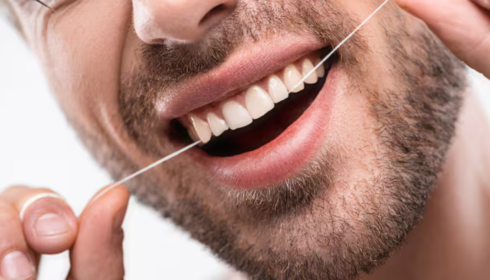
Floss works best when teeth are tight together. You slide the thread gently between the teeth, form a “C” shape against each side of the tooth, and move it up and down. For many people, the problem is not the theory, it’s the technique and patience. Floss can feel fiddly, especially in the back of the mouth or if your fingers are big.
Interdental brushes are tiny bottle-brush style tools that slip into the spaces between teeth. They’re easier to grip and can be simpler for people with bridges, implants, braces or slightly wider gaps. They also give a satisfying feeling of “scrubbing” where the normal brush can’t reach.
In real life, the best choice is the one you’ll actually use daily. Some people combine both: floss for tight front teeth, brushes for wider back spaces. Your dentist or hygienist can show you the correct sizes and technique in just a few minutes.
The goal isn’t to win the floss vs brush debate. The goal is clean, healthy spaces between teeth, using a method that fits your mouth and your routine.