






Home Blog

How a Psychologist Can Help You Build Better Mental Habits

0

Mental health influences how people think, feel, communicate, make decisions, and respond to everyday challenges. When stress, difficult emotions, or recurring thought patterns begin affecting daily life, speaking with a psychologist can provide professional guidance and a structured space for understanding what is happening.

Psychological support is not only for people experiencing severe mental health concerns. Many individuals seek therapy to better understand themselves, improve relationships, manage stress, process significant life changes, or develop healthier responses to difficult situations. Emovere Psychology provides a supportive setting for individuals seeking professional guidance as part of their emotional well-being.

When Should You Consider a Psychologist?

Recognizing when professional support could be useful is not always straightforward. Some emotional challenges appear temporarily and resolve with time, while others persist or gradually interfere with work, relationships, sleep, motivation, or everyday responsibilities.

A psychologist can help when concerns become difficult to manage independently or when familiar coping strategies no longer seem effective. Professional support may be particularly helpful when emotional difficulties continue for several weeks, become more intense, or repeatedly return.

Common reasons people seek psychological support include:

  • Persistent stress or emotional exhaustion
  • Anxiety, excessive worry, or fear
  • Low self-esteem or self-confidence
  • Relationship and communication difficulties
  • Grief and bereavement
  • Major life transitions
  • Difficulty managing anger or other strong emotions
  • Repeated negative thought patterns
  • Work, academic, or personal pressure
  • Feelings of loneliness or isolation
  • Difficulty adjusting to unexpected changes
  • A desire for personal growth and greater self-awareness

Seeking help does not require reaching a breaking point. Early support can provide an opportunity to understand concerns before they become more disruptive.

What Does a Psychologist Actually Do?

There is sometimes a misconception that therapy simply involves talking about problems. While conversation is an important part of psychological care, professional therapy involves much more than being heard.

A psychologist uses professional knowledge and evidence-based psychological approaches to understand a person’s concerns, identify relevant patterns, and support meaningful behavioral or emotional changes. The process can involve assessment, reflection, goal setting, therapeutic techniques, and ongoing evaluation.

The exact approach depends on the individual’s circumstances. Two people experiencing stress, for example, may require completely different forms of support because their triggers, coping mechanisms, relationships, and personal histories may differ.

A psychologist can help a person examine thoughts and behaviors without unnecessary judgment. This can make it easier to recognize patterns that may be difficult to identify alone.

How a Psychologist Supports Emotional Well-Being

One of the most valuable aspects of psychological support is developing greater self-awareness. People often react to stressful situations automatically, particularly when certain emotional or behavioral patterns have developed over many years.

Therapy can create an opportunity to pause and examine these reactions.

For example, someone who frequently assumes the worst outcome may begin to recognize how certain thoughts contribute to anxiety. Someone who avoids difficult conversations may discover that avoidance provides temporary relief but creates longer-term relationship difficulties.

Understanding these connections can create opportunities for healthier responses.

Developing Healthier Coping Strategies

Stress cannot always be removed from life, but responses to stress can sometimes be changed. A psychologist can help identify coping strategies that are more constructive and appropriate for a person’s circumstances.

Depending on individual needs, therapy may involve techniques related to:

  • Emotional regulation
  • Stress management
  • Cognitive awareness
  • Problem-solving
  • Communication
  • Mindfulness
  • Boundary setting
  • Behavioral changes
  • Self-compassion
  • Relationship skills

The purpose is not to eliminate every uncomfortable emotion. Emotions such as sadness, frustration, fear, and disappointment are normal parts of human experience. Instead, psychological support can help individuals understand these emotions and respond to them in healthier and more intentional ways.

How Therapy Can Improve Self-Awareness

Self-awareness is an important part of psychological well-being. It involves recognizing thoughts, emotions, behaviors, values, needs, and personal triggers.

Without sufficient self-awareness, it can be difficult to understand why certain situations repeatedly produce the same reaction. A person may notice a pattern but remain unsure about what causes it.

Therapy can provide a structured environment for examining these experiences.

A person might begin asking questions such as:

  • What situations tend to trigger strong emotional reactions?
  • What thoughts appear during stressful moments?
  • Are certain behaviors providing short-term relief but creating long-term problems?
  • How do personal expectations influence emotional responses?
  • Are boundaries being communicated clearly?
  • What needs are not being addressed?

These questions can encourage deeper reflection and help connect thoughts, emotions, and behaviors.

What Can You Expect From Psychological Support?

Every therapeutic experience is different, but psychological support often develops through several stages. Understanding what may happen can make the idea of starting therapy feel less unfamiliar.

1. Understanding Your Concerns

Initial conversations generally focus on understanding what has brought a person to therapy. This may include current challenges, relevant experiences, emotional concerns, relationships, routines, and personal goals.

There is no requirement to have everything clearly explained before an appointment. Sometimes the first step is simply describing what feels difficult.

2. Identifying Patterns

As conversations continue, recurring thoughts, emotions, behaviors, or relationship patterns may become easier to recognize.

This stage can provide useful insight into what contributes to distress and which situations tend to make certain concerns more difficult.

3. Establishing Personal Goals

Therapy becomes more meaningful when it connects with goals that matter to the individual. Goals might involve managing anxiety, improving communication, developing confidence, processing grief, handling stress, or understanding personal behaviors.

Goals can also change as new insights emerge.

4. Developing Practical Skills

Psychological support can involve learning practical techniques for managing emotions and navigating challenging situations.

Rather than simply discussing what went wrong, therapy can focus on what can be done differently in the future. Depending on the therapeutic approach, this may include identifying unhelpful thinking patterns, practicing communication techniques, managing emotional responses, or developing healthier routines.

5. Reviewing Progress

Progress does not always happen in a straight line. Some concerns may improve quickly, while others require patience and continued attention.

Regularly reviewing progress can help identify which strategies are useful and where additional work may be needed.

Choosing the Right Psychologist

Finding a suitable psychologist is an important part of the therapy process. Professional qualifications and experience matter, but personal comfort and communication style can also influence the therapeutic experience.

Before beginning therapy, consider the professional’s areas of experience and the types of concerns addressed. It may also be useful to understand the therapeutic approaches available and whether they align with personal needs.

Potential questions to ask include:

  • What concerns does the psychologist commonly address?
  • What therapeutic approaches are used?
  • What can be expected during an initial appointment?
  • How are therapy goals established?
  • How is progress discussed?
  • What confidentiality practices apply?
  • What should a person do if additional support becomes necessary?

A comfortable therapeutic relationship can make it easier to discuss personal experiences openly. Trust, respect, empathy, and clear communication are valuable elements of effective psychological care.

Psychology Is Not Only About Crisis Support

Another important point is that psychological care does not have to begin during a crisis. Therapy can also support people who are functioning reasonably well but want to understand themselves more deeply.

Personal development can involve improving emotional awareness, strengthening communication, establishing healthier boundaries, building confidence, or learning how to manage everyday pressure.

For example, a person preparing for a major career change may seek therapy to work through uncertainty. Someone experiencing relationship difficulties may want to understand communication patterns. Another person may simply want a clearer understanding of recurring emotions or behaviors.

In these situations, therapy can serve as a space for reflection and intentional growth.

Everyday Habits That Support Mental Health

Professional psychological care can be valuable, but everyday habits also contribute to emotional well-being. Small, consistent actions can help create a healthier foundation for managing daily demands.

Consider incorporating habits such as:

  • Maintaining a consistent sleep routine
  • Eating regular, balanced meals
  • Taking appropriate breaks during stressful periods
  • Making time for physical activity
  • Staying connected with supportive people
  • Practicing mindfulness or intentional breathing
  • Writing down recurring thoughts and concerns
  • Setting realistic expectations for daily responsibilities
  • Creating healthy boundaries around work and personal time
  • Making time for hobbies and meaningful activities

These practices should not be considered replacements for professional care when significant psychological concerns are present. Instead, they can complement therapy and support general emotional well-being.

Breaking the Stigma Around Therapy

Some people hesitate to seek psychological support because they believe asking for help represents weakness. In reality, recognizing a need for support can demonstrate self-awareness and a willingness to address challenges directly.

Mental health deserves the same thoughtful attention given to other aspects of personal well-being. Just as people seek professional guidance when they need help with physical concerns, psychological support can provide specialized knowledge for emotional and behavioral challenges.

Changing the way therapy is viewed can also make it easier for people to seek assistance before difficulties become overwhelming.

Making Psychological Support Part of a Long-Term Approach

Mental well-being is not a one-time achievement. Circumstances change, responsibilities shift, relationships develop, and unexpected experiences can affect emotional health at different stages of life.

Learning how to recognize emotional needs and respond to them constructively can therefore be a long-term skill.

A psychologist can provide guidance during particularly challenging periods while also helping individuals develop greater awareness of how they handle stress, relationships, decisions, and change.

The goal is not to create a life without difficulties. Instead, psychological support can help build the understanding and skills needed to navigate difficulties with greater awareness and resilience.

Conclusion

Speaking with a psychologist can provide a structured and supportive opportunity to understand emotions, recognize recurring patterns, improve coping strategies, and work toward meaningful personal goals. Professional psychological care is relevant not only during serious emotional difficulties but also during periods of transition, stress, self-reflection, and personal development.

If persistent stress, relationship concerns, difficult emotions, or recurring thoughts are making everyday life harder to manage, seeking professional support can be a constructive next step. Emovere Psychology provides psychological support for individuals seeking greater understanding, healthier coping strategies, and meaningful progress toward improved emotional well-being.

The New Questions Every Intended Parent Should Ask Before Choosing an International Surrogacy Agency

0

Choosing an international surrogacy agency involves far more than comparing destinations or treatment costs. The right questions can reveal how a program manages legal requirements, medical care, communication, and long-term support.

As international surrogacy continues to evolve, intended parents who ask detailed questions early are often better prepared for every stage of the journey. This approach is especially valuable when researching options such as surrogacy in Mexico, where understanding local regulations and program structure can make a significant difference.

How Experienced Is the Medical Team?

Successful journeys begin with experienced fertility specialists.

Ask about:

  • IVF expertise
  • Embryology laboratory standards
  • Pregnancy monitoring
  • Success rates by age and treatment type
  • High-risk pregnancy management

Medical quality should always be one of your first evaluation criteria.

What Legal Support Is Included?

Legal coordination is just as important as medical treatment.

Ask whether the program provides assistance with:

  • Parentage documentation
  • Birth registration
  • Citizenship procedures
  • Passport applications
  • International travel requirements

Reviewing international surrogacy law before selecting a destination can also help you understand how these processes differ from one country to another.

How Are Surrogate Mothers Supported?

Ethical programs prioritize the health and well-being of surrogate mothers throughout the pregnancy.

Questions worth asking include:

  • How are surrogates screened?
  • What medical care is provided?
  • Is psychological support available?
  • Are independent legal services offered?
  • How is ongoing communication managed?

Strong support systems contribute to healthier pregnancies and better experiences for everyone involved.

What Happens After the Baby Is Born?

Many intended parents focus on treatment but overlook post-birth logistics.

Ask who will coordinate:

  • Hospital discharge
  • Birth certificates
  • Citizenship paperwork
  • Travel documentation
  • Legal follow-up

Understanding these responsibilities before treatment begins reduces uncertainty later.

Why Many Families Consider Mexico

For international families, surrogacy in Mexico continues to attract attention because of its modern fertility clinics, experienced healthcare professionals, and accessibility.

As with any destination, it is important to understand local legal procedures, eligibility requirements, and documentation timelines before beginning treatment.

Researching country-specific programs helps intended parents compare options based on long-term security rather than convenience alone.

How Transparent Is the Entire Process?

A reputable program should explain every stage clearly.

This includes:

  • Program fees
  • Medical milestones
  • Legal procedures
  • Communication schedules
  • Potential risks
  • Expected timelines

Transparency allows intended parents to make informed decisions and avoid unexpected surprises during the journey.

Final Thoughts

The right questions often lead to the right decisions. International surrogacy is a significant personal, medical, and legal commitment, making careful research essential before choosing a program.

Exploring international surrogacy programs, understanding the complete surrogacy process, and learning more about surrogacy in Mexico can help intended parents evaluate their options with greater clarity and confidence.

Mammography Cassettes and Digital Imaging: What Healthcare Providers Should Know

0

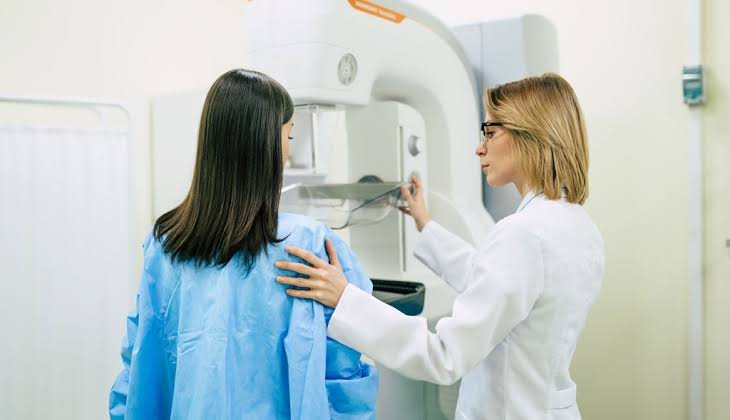
Breast imaging continues to play an essential role in early disease detection and patient care. As mammography technology evolves, healthcare providers increasingly evaluate how digital imaging can improve workflow, image quality, and diagnostic confidence. Understanding the role of the mammography cassette and the advantages of modern digital technology helps imaging departments make informed decisions about equipment upgrades and future planning.

Digital innovation has transformed breast imaging by reducing manual processes while improving image availability for radiologists.

Understanding the Mammography Cassette

Traditional mammography systems relied on a mammography cassette to capture breast images before processing them for clinical review.

Cassette-based imaging represented an important step in the evolution of breast imaging technology. However, these workflows required manual handling, cassette transport, and image processing before radiologists could begin interpretation.

Although many facilities successfully used cassette-based systems for years, growing clinical demands have encouraged greater adoption of digital imaging technologies.

Digital Imaging Changes the Workflow

Modern digital radiography systems use advanced digital detector technology to capture images directly without relying on cassette processing.

Immediate image acquisition allows technologists to verify positioning during the examination while reducing delays between image capture and interpretation.

This efficient workflow improves patient experience by shortening examination times and reducing unnecessary waiting.

Healthcare providers also benefit from simplified image management through seamless integration with PACS and hospital information systems.

Image Quality Supports Early Detection

Image quality remains one of the most important factors in breast imaging.

Advanced DR imaging solutions provide consistent image quality while supporting visualization of subtle anatomical structures.

High-quality digital images help radiologists evaluate findings with greater confidence and facilitate collaboration between multidisciplinary care teams.

Modern image processing technologies further optimize image presentation without compromising diagnostic information.

Improving Department Efficiency

Digital workflows reduce dependence on cassette handling and manual processing, allowing imaging departments to improve productivity.

Technologists spend more time caring for patients and less time managing equipment, while radiologists receive images more quickly for interpretation.

Hospitals adopting digital radiography often experience smoother imaging operations across multiple clinical departments, including breast imaging services.

Building a Future-Ready Imaging Department

Healthcare technology continues to evolve rapidly. Investing in scalable digital radiography systems prepares imaging departments for future software enhancements, enterprise connectivity, and advanced diagnostic applications.

Reliable digital detector technology also supports long-term operational efficiency while helping organizations maintain consistent clinical performance.

Supporting Better Patient Care

The transition from mammography cassette workflows to modern digital imaging reflects the ongoing evolution of radiology. Faster image availability, improved workflow, and high-quality diagnostic imaging all contribute to better patient outcomes.

Healthcare organizations that invest in advanced DR radiology solutions position themselves to meet growing clinical demands while supporting radiologists with efficient, reliable imaging technology.

Benefits of Wearing an LS Belt

0

Lower back pain can make simple tasks feel difficult. Sitting at a desk, lifting groceries, or standing for long periods may place extra pressure on your lower back. While good posture and regular exercise play an important role in back health, an LS Belt can provide additional support during daily activities.

Used correctly, a lumbar support belt helps stabilize the lower back and encourages better posture without limiting natural movement.

What Is an LS Belt?

An LS Belt is a supportive belt designed to provide compression and stability around the lumbar region of the spine. It supports the muscles and soft tissues of the lower back during everyday movement.

Many people wear a lumbar support belt while working, driving, performing household chores, or returning to activity after recovering from a back strain.

How an LS Belt Helps

A properly fitted LS Belt offers gentle support that helps reduce unnecessary stress on the lower back.

Some of its benefits include:

  • Supports the lumbar region during movement.
  • Encourages better posture.
  • Provides comfortable compression.
  • Helps improve confidence during daily activities.
  • Complements rehabilitation and strengthening exercises.

It works best when combined with healthy movement habits rather than replacing physical activity.

When Can You Wear an LS Belt?

A lumbar support belt may be useful during activities that place additional strain on the lower back, such as:

  • Sitting for extended periods.
  • Driving long distances.
  • Light lifting at home.
  • Gardening or household work.
  • Returning to normal activity after a mild back strain.

It should fit snugly without restricting breathing or movement.

Tips for a Healthy Back

An LS Belt provides support, but healthy habits help protect your back in the long run.

Try these simple tips:

  • Lift heavy objects using your legs instead of your back.
  • Take regular breaks from sitting.
  • Strengthen your core muscles.
  • Stretch your hips and hamstrings regularly.
  • Maintain good posture while working.

These habits can reduce unnecessary pressure on your spine and improve overall comfort.

Choose the Right Support

Comfort is important when selecting a lumbar support belt. Look for adjustable straps, breathable materials, and a secure fit that allows natural movement throughout the day.

The right support should feel comfortable enough for routine activities while providing consistent stability where you need it most.

Support Your Back Every Day

Your lower back supports nearly every movement you make. Giving it the right care can help you stay comfortable and active throughout the day.

Explore orthopaedic support solutions for dependable LS Belt, lumbar support belt, and other daily support and recovery solutions designed to support your back during everyday activities.

What Is the Yearly Cost of HGH Therapy for Children? Everything Parents Should Know

0

When a child is diagnosed with a condition that may benefit from human growth hormone (HGH) therapy, parents naturally have many questions. One of the most common is, “How much will treatment cost each year?”

The answer isn’t always straightforward. Growth hormone therapy is highly individualized, and annual costs can vary depending on several medical and financial factors. While some families pay only a small portion of the total cost through insurance, others may face significant out-of-pocket expenses.

Here’s what parents should know before beginning treatment.Understanding the Annual Cost of Growth Hormone Therapy

Unlike medications prescribed for a few weeks, HGH therapy is typically a long-term treatment. Children often receive daily injections for several years while they continue growing, making the yearly cost an important part of the decision-making process.

For families paying without insurance, annual medication expenses commonly range from $15,000 to $50,000 or more, depending on the child’s dose and medication prescribed. Insurance coverage can dramatically reduce these costs, although copays, deductibles, and coinsurance still vary widely from plan to plan.

Every child’s treatment plan is unique, so there is no universal annual price.Why Is HGH Treatment So Costly?

Growth hormone is one of the most advanced medications used in pediatric medicine. Instead of being chemically manufactured like many traditional drugs, it is produced using recombinant biotechnology that creates a hormone nearly identical to the one naturally produced by the human pituitary gland.

This sophisticated manufacturing process contributes to the medication’s higher price.

In addition, growth hormone therapy requires careful medical supervision throughout treatment. Children typically undergo routine monitoring to ensure they are growing appropriately and receiving the correct dosage.What Expenses Are Included Each Year?

Many parents assume the medication is the only expense, but comprehensive growth hormone treatment usually includes several components.

Annual treatment costs may involve:

  • Prescription growth hormone medication
  • Pediatric endocrinology or growth specialist visits
  • Height and weight monitoring
  • Bone age X-rays
  • Laboratory testing
  • Prescription renewals
  • Dose adjustments
  • Injection supplies

Depending on the healthcare provider and insurance plan, these services may be billed separately from the medication itself.Factors That Can Increase or Decrease Annual Costs Age and Weight

One of the biggest factors affecting cost is how much medication a child requires.

Since many dosing protocols are based on body weight, younger children generally require less medication than older adolescents.

As children grow, yearly medication costs often increase.Medical Diagnosis

Growth hormone therapy is approved for several pediatric conditions, including:

  • Growth hormone deficiency
  • Idiopathic short stature
  • Turner syndrome
  • Prader-Willi syndrome
  • Children born small for gestational age who have not experienced catch-up growth
  • Chronic kidney disease in certain situations

Each condition may require a different treatment approach, which can influence annual expenses.Insurance Coverage

Insurance approval often makes the greatest difference in what families actually pay.

Some policies cover most treatment costs after medical necessity has been established, while others have higher deductibles or stricter authorization requirements.

Parents should contact their insurance provider before treatment begins to understand their specific benefits.Medication Choice

Several FDA-approved growth hormone products are available.

Although all provide recombinant human growth hormone, pricing may differ depending on the manufacturer, pharmacy contracts, and insurance formulary.Does HGH Cost More as Treatment Continues?

In many cases, yes.

As children get older, they often:

  • Weigh more
  • Require larger medication doses
  • Continue regular monitoring
  • Need dosage adjustments during puberty

These changes can gradually increase annual treatment costs throughout the course of therapy.

Families planning for growth hormone treatment should think beyond the first prescription and consider the long-term financial picture.

For a detailed breakdown of how treatment costs evolve over several years, parents can review this helpful guide on the Long-Term Cost of Growth Hormone Treatments in Kids:

https://hghforchildren.com/blog/long-term-cost-of-growth-hormone-treatments-in-kidsAre There Ways to Reduce the Cost?

Fortunately, many families qualify for financial assistance.

Depending on the child’s diagnosis and insurance coverage, options may include:

  • Private health insurance
  • Medicaid
  • Manufacturer copay programs
  • Patient assistance foundations
  • Flexible Spending Accounts (FSA)
  • Health Savings Accounts (HSA)

Many specialty pharmacies also have dedicated reimbursement teams that help families navigate insurance approvals and identify available savings programs.Planning Ahead Can Reduce Financial Stress

Because growth hormone therapy often lasts several years, parents should discuss the expected financial commitment with their healthcare provider before treatment begins.

Questions worth asking include:

  • How long is treatment expected to continue?
  • Will the dosage likely increase over time?
  • What monitoring tests will be required?
  • What expenses are typically covered by insurance?
  • Are financial assistance programs available?

Having these conversations early helps families prepare for both the medical and financial aspects of treatment.

Parents interested in understanding the total investment over the entire course of therapy—not just the first year—can learn more by reading Long-Term Cost of Growth Hormone Treatments in Kids:

https://hghforchildren.com/blog/long-term-cost-of-growth-hormone-treatments-in-kidsFinal Thoughts

The yearly cost of HGH therapy for children varies widely, but most families can expect treatment to be a significant healthcare expense. Factors such as body weight, diagnosis, medication choice, treatment duration, and insurance coverage all influence the final annual cost.

Although the investment can seem substantial, many families find that insurance benefits, manufacturer assistance programs, and careful financial planning make treatment much more manageable. The first step is always obtaining a thorough evaluation from a qualified pediatric growth specialist to determine whether growth hormone therapy is medically appropriate for your child.

Spinal Health After 50: What Changes, What Doesn’t Have to, and How to Stay Active

0

Turning fifty doesn’t mean your spine is done. It means the relationship between your spine and how you care for it is about to matter more than it ever has.

The degenerative changes that begin accumulating in spinal structures from early adulthood – disc dehydration, facet joint wear, gradual reduction in bone density – are well established by the fifth decade. But the rate of further progression, the degree of functional limitation they produce, and whether they translate into disabling pain or manageable stiffness are all significantly influenced by choices that remain firmly within each person’s control.

Understanding what is genuinely changing in the spine after fifty, what is modifiable, and what professional non-surgical care can achieve for this age group is the foundation of a sensible and optimistic approach to long-term spinal health.

What Actually Changes in the Spine After 50

Several structural changes in the spine become more pronounced and more clinically relevant in the fifth decade and beyond.

Disc degeneration: By the fifth decade, most adults show some degree of disc degeneration on imaging – reduced disc height, loss of signal on MRI indicating reduced hydration, and in many cases, evidence of bulging or herniation. The critical point is that imaging findings and symptoms are not always correlated: many people with significant disc changes on imaging have minimal pain, while others with apparently modest changes have significant functional limitation. The degree of nerve compression, the individual’s pain threshold and nervous system sensitivity, and the quality of the muscular support around the degenerating segments all influence how imaging findings translate (or don’t) into lived experience.

Facet joint arthritis: Arthritic changes in the facet joints are near-universal over fifty and contribute to the stiffness and localised pain that many people associate with ‘normal ageing.’ While some degree of this change is inevitable, the rate at which it limits function is not.

Ligament changes: The spinal ligaments become less elastic with age, reducing the spine’s ability to absorb sudden loads and contributing to the reduced range of motion that older adults experience. The ligamentum flavum specifically may thicken, contributing to spinal canal narrowing.

Muscle mass and strength: Sarcopenia – the age-related loss of muscle mass – affects the spinal support musculature alongside every other muscle group. Without deliberate resistance training, the deep core muscles that protect the spine from excessive loading progressively weaken, leaving the passive structures (discs and joints) to absorb more of the daily mechanical demand.

What Does Not Have to Change: Function and Activity

The essential message for people over fifty with spinal concerns is this: structural change is not the same as functional decline, and functional decline is not inevitable.

Clinical and epidemiological evidence consistently shows that people who maintain physical activity, receive appropriate treatment for symptomatic spinal conditions, and apply informed ergonomic and lifestyle habits maintain significantly better spinal function and experience significantly less pain-related disability than those who become sedentary and avoid professional care.

The spine does not stop responding to treatment after fifty. Non-surgical spinal decompression produces meaningful disc and nerve decompression in older patients with herniated discs and spinal stenosis. Resistance and stability training effectively builds deep core muscle mass and strength in the fifty-plus population. Postural correction and ergonomic adjustment reduce the compressive loading that accelerates arthritic changes at any age.

Managing the Most Common Spinal Conditions After 50

The conditions that most commonly produce significant spinal symptoms in the over-fifty population are lumbar spinal stenosis, cervical spondylosis, degenerative disc disease, and facet joint syndrome – often in combination.

Lumbar spinal stenosis becomes increasingly prevalent after fifty, with the classic neurogenic claudication pattern (leg pain with walking, relief with sitting) affecting walking tolerance and independence. Non-surgical spinal decompression, targeted physiotherapy, and activity modification produce meaningful functional improvement in the majority of patients.

Cervical spondylosis and its associated headaches, arm pain, and hand symptoms respond to cervical decompression therapy and deep neck flexor rehabilitation.

The key principle across all these conditions is the same as at any age: address the structural problem with appropriate non-surgical care, rebuild the muscular support that protects the compromised structures, and modify the daily habits that are maintaining the compressive loading.

ANSSI Wellness provides expert non-surgical Spinal Canal Stenosis Treatment tailored to older adults, recognising that the goals and physical capacities of patients over fifty require a specifically calibrated approach to decompression, rehabilitation, and lifestyle guidance.

Staying Active After 50 with a Symptomatic Spine

  • Aquatic exercise reduces spinal loading while maintaining cardiovascular fitness, muscle strength, and joint mobility
  • Cycling (stationary or road) is well tolerated by most lumbar stenosis presentations and maintains lower limb strength and cardiovascular health
  • Resistance training, appropriately supervised and progressed, is one of the most important investments in long-term spinal muscle health for the over-fifty population
  • Walking remains beneficial even with symptomatic spinal conditions when paced appropriately and combined with treatment that reduces nerve compression
  • Yoga and Pilates, with appropriate modification for any acute spinal conditions, support flexibility, core function, and body awareness

Conclusion

The spine after fifty is a different structure from the spine at thirty – but it is not a broken one. The changes that occur are manageable, the symptoms they produce are treatable, and the activity and quality of life they threaten are largely recoverable with the right combination of professional care, physical conditioning, and informed daily habits. The most important thing is not to accept progressive spinal decline as inevitable – because for most people, it isn’t.

Pregnancy Dos and Don’ts for a Smooth Normal Delivery Experience

0

The journey to motherhood is a transformative experience filled with anticipation and joy. Many expectant mothers hope for a smooth vaginal birth, which requires thoughtful physical and mental preparation. As the best child care hospital in Coimbatore, we understand that evidence-based guidance is essential for a safe delivery. With proper care, nutrition, and an active lifestyle, you can significantly improve your chances of an uncomplicated birth experience.

Physical Preparation for Labor

A healthy pregnancy lasts about 40 weeks, and preparing your body early makes a profound difference. It is a common misconception that expectant mothers need to eat for two right from the start.

Medical research shows that you only need an additional 300 to 500 calories per day during your second and third trimesters. Consuming a balanced diet rich in fruits, vegetables, and lean proteins gives you the stamina needed for labor.

Staying hydrated is equally important, so aim for eight to twelve glasses of water daily. Comprehensive women’s healthcare services prioritize this foundational nutrition to support both fetal growth and maternal endurance.

Essential Dos for Expectant Mothers

Physical activity is a cornerstone of preparing for a natural birth. Regular exercise keeps your muscles and joints supple, which can facilitate a much easier delivery process.

Aim for at least 45 minutes of daily walking unless your doctor advises otherwise. You can also practice gentle stretches and pelvic floor exercises to build strength in your lower body.

  • Attend all scheduled prenatal visits and never skip your prescribed vitamins.
  • Sleep on your left side with pillows placed between your knees for better circulation.
  • Ensure your baby reaches a head-down position by week 32 of your pregnancy.
  • Learn breathing and relaxation techniques to stay calm during contractions.

Finding a trusted normal delivery Coimbatore hospital ensures you have expert guidance through every trimester. The right medical team will monitor fetal positioning and provide personalized advice to keep you on track.

Myths and Habits to Avoid

It is vital to protect your mind and body from harmful habits and unnecessary stress. Avoid raw meats, unpasteurized milk, and high-mercury fish to prevent infections that could harm your baby.

You should completely avoid smoking and alcohol, as these are major risk factors for severe maternal and fetal complications. It is also wise to ignore scary birth stories from the internet that only increase anxiety.

Here is a helpful guide to separate common pregnancy myths from medical realities:

Common MisconceptionEvidence-Based Reality
You must eat for two peopleExtra calories are only needed in the second and third trimesters
Exercise is unsafe during pregnancyGentle daily activity improves your chances of an easy birth
Pineapple always causes miscarriageSmall amounts of ripe fruit are safe, avoid unripe fruit
Negative birth stories prepare youA positive mindset actually improves labor outcomes

Expectant mothers seeking the best maternity hospital in Coimbatore for normal delivery often find that accurate education relieves their anxiety. Working with specialists helps you avoid excess weight gain while ensuring your baby thrives.

Managing Labor and Complexities

When labor begins, staying mobile and utilizing correct breathing techniques can make a significant difference. Pushing should only happen when you feel the natural pressure and are instructed by your care team.

Screaming expends valuable energy, so focus on deep, rhythmic breaths instead. Exploring options for pain management during labour Coimbatore can help you learn methods like massage and targeted relaxation to cope with contractions.

For mothers facing complex medical conditions, specialized monitoring is an absolute necessity. Expert high risk pregnancy care Coimbatore ensures that even patients with unique challenges receive the safest possible birthing plans.

Preparing for a beautiful birth experience is about making informed choices every single day. By following these proven guidelines, you empower yourself to embrace the journey of labor with confidence and strength.

If you are ready to take the next step toward parenthood or need expert guidance on your fertility journey, the team at Rao Hospital is here for you. With over 70 years of compassionate care and more than 30,000 successful fertility treatments, you are in trusted hands.

Call us at +91 96299 19191 or schedule your consultation today.

Kidney Stone Treatment in Bangalore: Advanced Solutions for Fast Relief

0

Introduction

Kidney stones are one of the most common urinary tract conditions affecting people of all ages. These hard mineral deposits form inside the kidneys and can cause severe pain, discomfort, and urinary complications if left untreated. Seeking professional Kidney Stone Treatment In Bangalore ensures timely diagnosis and access to advanced medical technologies that help remove stones safely and effectively. Bangalore is known for its world-class healthcare facilities and experienced specialists who provide comprehensive care for kidney stone patients.

Understanding Kidney Stones

Kidney stones develop when minerals and salts in the urine become concentrated and crystallize. These stones can vary in size, from tiny particles that pass naturally to larger stones that require medical intervention. Several factors contribute to stone formation, including dehydration, dietary habits, obesity, family history, and certain medical conditions.

Understanding the causes of kidney stones is essential for both treatment and prevention.

Common Symptoms of Kidney Stones

The symptoms of kidney stones can range from mild discomfort to intense pain. Common warning signs include:

  • Severe pain in the back or side
  • Pain during urination
  • Blood in the urine
  • Frequent urge to urinate
  • Nausea and vomiting
  • Cloudy or foul-smelling urine
  • Fever in case of infection

If any of these symptoms occur, immediate medical attention is recommended to prevent complications.

Why Early Treatment Is Important

Delaying treatment can lead to serious health problems, including urinary tract infections, kidney damage, and obstruction of urine flow. Early diagnosis allows healthcare professionals to determine the size and location of the stone and recommend the most appropriate treatment plan.

Prompt medical intervention often reduces pain, speeds recovery, and minimizes the risk of future complications.

Why Choose Bangalore for Kidney Stone Treatment?

Bangalore has become one of India’s leading healthcare destinations due to its advanced medical infrastructure and highly experienced specialists. The city offers access to modern diagnostic tools and innovative treatment options designed to provide faster recovery and improved patient outcomes.

Patients benefit from personalized treatment plans tailored to their specific condition and overall health requirements.

Advanced Diagnostic Procedures

Accurate diagnosis is the foundation of effective kidney stone treatment. Specialists use advanced diagnostic methods such as:

  • Ultrasound scans
  • CT scans
  • X-rays
  • Urine analysis
  • Blood tests

These investigations help determine the size, type, and location of the stone, enabling doctors to select the most suitable treatment approach.

Modern Treatment Options

Today, several advanced treatment methods are available for kidney stones. Depending on the size and severity of the condition, treatment options may include:

  • Medication therapy
  • Increased fluid intake
  • Extracorporeal Shock Wave Lithotripsy (ESWL)
  • Ureteroscopy
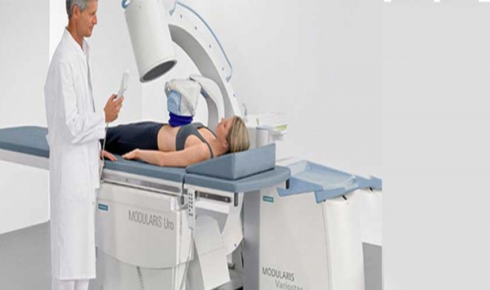
  • Percutaneous Nephrolithotomy (PCNL)
  • Laser stone removal

These minimally invasive procedures offer high success rates and faster recovery compared to traditional surgical methods.

Benefits of Choosing Expert Care

Selecting the Best Kidney Stone Treatment In Bangalore provides patients with access to experienced specialists, advanced technology, and comprehensive follow-up care. Expert treatment ensures accurate diagnosis, effective stone removal, and guidance on preventing future stone formation.

A patient-centered approach also helps improve comfort and confidence throughout the treatment journey.

Preventing Future Kidney Stones

Preventive care is crucial because kidney stones often recur. Patients can reduce their risk by:

  • Drinking plenty of water daily
  • Limiting salt consumption
  • Following a balanced diet
  • Reducing excessive intake of oxalate-rich foods
  • Maintaining a healthy body weight
  • Following medical advice regarding dietary modifications

Regular health checkups can also help identify risk factors before they lead to stone formation.

Recovery After Treatment

Recovery depends on the type of treatment performed and the size of the stone. Most minimally invasive procedures allow patients to return to normal activities within a short period. Doctors may recommend increased fluid intake, dietary adjustments, and periodic follow-up visits to ensure long-term kidney health.

Proper post-treatment care plays an important role in preventing recurrence and supporting overall urinary health.

Conclusion

Kidney stones can significantly impact daily life, but effective treatment is available through modern medical advancements. Bangalore offers exceptional healthcare facilities, experienced specialists, and state-of-the-art treatment options that ensure safe and successful stone management. Early diagnosis, timely treatment, and preventive lifestyle changes are essential for maintaining kidney health and avoiding future complications. By seeking professional care and following expert guidance, patients can achieve lasting relief and enjoy a healthier, more comfortable life.

The Growing Role of a Surgical Stapler Manufacturer in Modern Healthcare

0

Modern surgery depends heavily on advanced medical technologies that improve precision, efficiency, and patient safety. Among the most important contributors to this progress is the demand for advanced surgical medical devices. These companies design, develop, and produce specialized stapling devices used for tissue closure, organ reconnection, wound management, and minimally invasive surgical procedures across healthcare systems worldwide.

Surgical staplers have become essential tools in modern operating rooms because they provide faster and more consistent tissue closure compared to many traditional suturing methods. As minimally invasive and robotic assisted surgeries continue expanding globally, manufacturers are investing heavily in innovation, research, and precision engineering to meet the evolving needs of healthcare providers.

The growing demand for advanced surgical technologies continues driving major advancements within the surgical stapling industry.

Understanding Surgical Stapling Technology

Surgical staplers are medical devices designed to place specialized staples into tissue during surgical procedures. These staples are typically made from biocompatible materials such as titanium or absorbable polymers that are safe for use within the human body.

Stapling systems are commonly used for wound closure, tissue division, organ resection, and tissue reconnection procedures. Compared to manual suturing techniques, staplers often improve consistency while reducing procedure time during surgery.

Manufacturers develop various stapler designs to support different medical specialties and tissue conditions. Modern stapling systems include linear staplers, circular staplers, skin staplers, endoscopic staplers, and powered stapling platforms.

Advanced staplers are engineered to improve tissue handling, reduce trauma, and support minimally invasive surgical techniques in modern healthcare environments.

Role of Manufacturers in Surgical Innovation

A surgical stapler manufacturer plays a critical role in advancing healthcare technology through continuous product development and clinical research. Medical device companies invest heavily in engineering, material science, ergonomic design, and digital integration to improve surgical performance.

Manufacturers work closely with surgeons and healthcare professionals to understand procedural challenges and develop devices that improve precision and efficiency during operations. Research and development teams focus on improving staple formation, articulation, tissue sensing, and device reliability.

Companies are also exploring robotic compatible stapling systems that integrate seamlessly with robotic surgery platforms. These innovations help surgeons perform highly controlled tissue management during minimally invasive procedures.

The industry continues evolving rapidly as manufacturers pursue smarter, safer, and more versatile surgical solutions.

Importance in Minimally Invasive Surgery

Minimally invasive surgery has become one of the most important trends in modern healthcare because it improves patient recovery and reduces surgical trauma.

Surgical stapler manufacturers develop specialized devices that support laparoscopic and robotic procedures performed through small incisions. Endoscopic staplers feature long shafts, articulating heads, and advanced control mechanisms that improve access within confined anatomical spaces.

Powered stapling systems further enhance minimally invasive surgery by improving firing consistency and reducing physical strain for surgeons during complex operations.

As hospitals continue expanding minimally invasive surgery programs, demand for advanced stapling technologies continues increasing across global healthcare markets.

Manufacturers are responding by developing more ergonomic, intelligent, and digitally integrated stapling systems designed for modern operating rooms.

Types of Stapling Products Manufactured

Surgical stapler manufacturers produce a wide range of products for different medical specialties and clinical applications. Linear staplers are widely used for tissue division and closure during gastrointestinal and thoracic surgeries.

Circular staplers are designed for reconnecting hollow organs such as sections of the digestive tract following tissue removal. These devices are especially important during colorectal and bariatric procedures.

Skin staplers are commonly used for external wound closure in surgical and emergency care settings. Endoscopic staplers are designed specifically for minimally invasive procedures requiring operation through small surgical ports.

Powered staplers represent one of the most advanced product categories because they use automated firing systems to improve consistency and precision during surgery.

Manufacturers also produce reload cartridges, staple line reinforcement materials, and robotic compatible stapling systems to support evolving surgical needs.

Benefits for Healthcare Providers and Patients

Advanced stapling technologies provide many important advantages for both healthcare professionals and patients. Consistent staple formation helps support reliable tissue closure and may reduce certain surgical complications.

Staplers often reduce operating time because tissue closure can be completed more quickly compared to traditional suturing methods. Shorter procedures may improve operating room efficiency and reduce anesthesia exposure for patients.

Patients frequently benefit from reduced bleeding, smaller incisions, faster recovery, and lower postoperative discomfort when minimally invasive stapling technologies are used appropriately.

Manufacturers continue improving ergonomics and device usability to support surgeon comfort during lengthy procedures. Powered systems reduce hand fatigue while enhancing control and precision during tissue management.

Reliable product quality and performance are essential for maintaining patient safety and improving clinical outcomes.

Technological Advancements Driving Industry Growth

Medical device companies continue investing heavily in stapling technology research and development. Modern staplers now include advanced features such as tissue sensing technology that evaluates tissue thickness before firing.

These intelligent systems help optimize staple formation while reducing the risk of improper tissue compression or incomplete closure. Enhanced articulation capabilities improve maneuverability during minimally invasive and robotic surgeries.

Digital integration is also becoming increasingly important within modern operating rooms. Some stapling systems now support data tracking, procedural monitoring, and robotic platform compatibility.

Manufacturers are additionally exploring absorbable staple materials, improved cartridge designs, and smart feedback systems that may further improve healing and surgical efficiency in the future.

Importance of Quality and Regulatory Compliance

Patient safety remains the highest priority for every surgical stapler manufacturer. Companies must comply with strict international regulations and quality standards before products can enter healthcare markets.

Manufacturing facilities often operate under highly controlled conditions with advanced quality assurance systems and sterilization processes. Extensive testing is performed to evaluate mechanical performance, staple formation, tissue interaction, and device reliability.

Manufacturers must also support ongoing product training and education for healthcare professionals to ensure safe and effective device usage.

Regulatory oversight remains especially important because stapling devices are critical surgical instruments used during high risk medical procedures.

Challenges Facing the Surgical Stapling Industry

Despite strong industry growth, surgical stapler manufacturers also face several challenges. Product development and regulatory approval processes can be costly and time consuming because of strict healthcare safety requirements.

Competition within the medical technology sector continues increasing as manufacturers pursue innovation and global market expansion. Companies must continue investing in research, workforce development, and advanced manufacturing capabilities to remain competitive.

Supply chain disruptions, rising production costs, and cybersecurity concerns related to connected medical systems may also impact future industry operations.

Maintaining product reliability and minimizing device related complications remain ongoing priorities for manufacturers and healthcare providers alike.

Future Outlook for Surgical Stapling Technology

The future of surgery will likely involve greater integration of robotics, artificial intelligence, imaging systems, and digital healthcare technologies. Surgical stapler manufacturers are expected to continue developing smarter, safer, and more connected surgical platforms.

Future innovations may include advanced tissue recognition systems, enhanced robotic integration, and real time surgical analytics that further improve precision and patient outcomes.

As healthcare systems worldwide continue modernizing, every surgical stapler manufacturer will play an important role in advancing minimally invasive surgery, improving surgical efficiency, and supporting better healthcare outcomes for patients globally.

A Practical Guide to Breast Augmentation in Bangalore: What You Should Know

0

Understanding the Basics

Choosing to undergo breast augmentation is a deeply personal decision. For many, it’s about enhancing confidence, restoring volume after weight loss or pregnancy, or simply achieving a more proportionate body shape. Over the years, Breast Agumentation In Bangalore has become increasingly popular, thanks to the city’s advanced medical infrastructure and skilled cosmetic surgeons.

Bangalore offers a wide range of treatment options, from silicone implants to fat transfer procedures. Each approach has its own advantages, and the right choice depends on your body type, expectations, and medical advice.

Why Bangalore Is a Preferred Destination

One of the main reasons people choose Bangalore for cosmetic procedures is the availability of experienced surgeons who follow international standards. Clinics here often use modern technology and maintain strict hygiene protocols, which is crucial for surgical safety.

Another factor is affordability compared to many global cities. While maintaining high-quality care, procedures in Bangalore are often priced more competitively, making it an attractive option for both local and international patients.

Choosing the Right Clinic

Selecting the right clinic is just as important as deciding on the procedure itself. When searching for the Best Breast Agumentation Clinic In Bangalore, look beyond just advertisements. Consider the surgeon’s qualifications, years of experience, and before-and-after case studies.

It’s also a good idea to schedule a consultation. During this meeting, you can discuss your goals, ask questions, and get a clearer understanding of what to expect. A good clinic will never rush you into making a decision—they’ll guide you with honest, practical advice.

Types of Breast Augmentation Procedures

There are mainly two popular techniques used today:

Silicone or Saline Implants

These are the most common options. Silicone implants feel more natural, while saline implants are adjustable and may involve slightly smaller incisions.

Fat Transfer Augmentation

This involves taking fat from another part of your body and injecting it into the breasts. It offers a more natural result but may not provide as dramatic an increase in size as implants.

Each method comes with its own recovery time, benefits, and limitations. Your surgeon will help you decide which suits your goals best.

What About Safety and Recovery?

Safety is often the biggest concern—and rightly so. The good news is that breast augmentation is generally considered safe when performed by qualified professionals. However, like any surgery, there are risks such as infection, scarring, or implant-related issues.

Recovery usually takes a few weeks. Most patients can return to normal activities within 7–10 days, though strenuous exercise should be avoided for a while. Following post-operative instructions carefully can significantly improve results and reduce complications.

Understanding the Cost Factor

The Breast Agumentation Cost in Bangalore can vary depending on several factors, including the type of procedure, the surgeon’s expertise, hospital facilities, and post-surgery care.

On average, the cost can range from moderate to premium levels depending on customization and complexity. While it might be tempting to go for the cheapest option, remember that quality and safety should always come first. This isn’t just a cosmetic decision—it’s a medical one.

Final Thoughts

Breast augmentation is more than just a physical transformation—it’s about how you feel in your own skin. Bangalore has emerged as a reliable destination for this procedure, offering a balance of expertise, technology, and affordability.

Take your time, do your research, and choose a clinic that makes you feel comfortable and informed. A well-planned decision today can lead to long-lasting confidence tomorrow.