
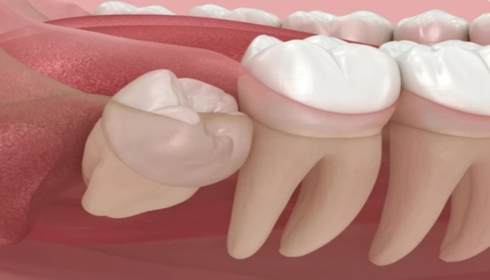

Wisdom teeth are the last molars to appear, usually in late teens or early twenties. For some people, they slide in quietly. For others, they only partially emerge or stay trapped in the jaw, creating problems over time.
Early signs of trouble include soreness or pressure at the back of the mouth, difficulty opening fully, or pain when chewing near that area. You may see a little flap of gum tissue over part of the tooth, which can trap food and become inflamed – a condition called pericoronitis.
Bad taste, swelling, or repeated infections around a partially erupted wisdom tooth are warning flags. Sometimes, neighbouring teeth start feeling tight or uncomfortable as the wisdom tooth pushes against them.
An X-ray is the best way to see angle and position. Even if you’re not in severe pain, your dentist may suggest monitoring, cleaning adjustments, or removal if there’s a high chance of future problems.
Ignoring wisdom tooth issues can lead to bigger infections, cysts, damage to nearby teeth and crowded alignment. Catching things early gives more options and usually gentler treatment.