Breast imaging continues to play an essential role in early disease detection and patient care. As mammography technology evolves, healthcare providers increasingly evaluate how digital imaging can improve workflow, image quality, and diagnostic confidence. Understanding the role of the mammography cassette and the advantages of modern digital technology helps imaging departments make informed decisions about equipment upgrades and future planning.
Digital innovation has transformed breast imaging by reducing manual processes while improving image availability for radiologists.
Understanding the Mammography Cassette
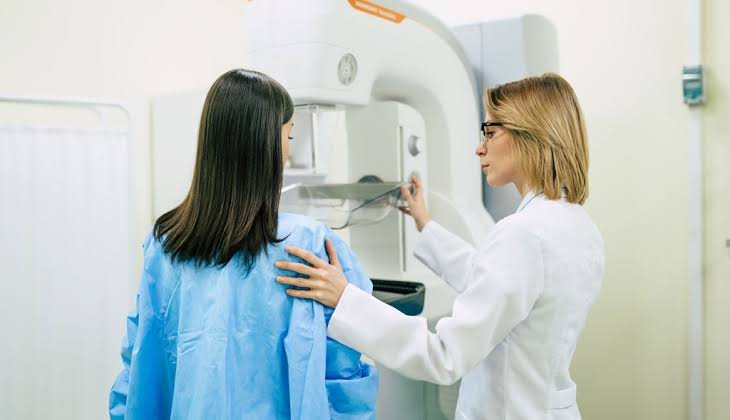
Traditional mammography systems relied on a mammography cassette to capture breast images before processing them for clinical review.
Cassette-based imaging represented an important step in the evolution of breast imaging technology. However, these workflows required manual handling, cassette transport, and image processing before radiologists could begin interpretation.
Although many facilities successfully used cassette-based systems for years, growing clinical demands have encouraged greater adoption of digital imaging technologies.
Digital Imaging Changes the Workflow
Modern digital radiography systems use advanced digital detector technology to capture images directly without relying on cassette processing.
Immediate image acquisition allows technologists to verify positioning during the examination while reducing delays between image capture and interpretation.
This efficient workflow improves patient experience by shortening examination times and reducing unnecessary waiting.
Healthcare providers also benefit from simplified image management through seamless integration with PACS and hospital information systems.
Image Quality Supports Early Detection
Image quality remains one of the most important factors in breast imaging.
Advanced DR imaging solutions provide consistent image quality while supporting visualization of subtle anatomical structures.
High-quality digital images help radiologists evaluate findings with greater confidence and facilitate collaboration between multidisciplinary care teams.
Modern image processing technologies further optimize image presentation without compromising diagnostic information.
Improving Department Efficiency
Digital workflows reduce dependence on cassette handling and manual processing, allowing imaging departments to improve productivity.
Technologists spend more time caring for patients and less time managing equipment, while radiologists receive images more quickly for interpretation.
Hospitals adopting digital radiography often experience smoother imaging operations across multiple clinical departments, including breast imaging services.
Building a Future-Ready Imaging Department
Healthcare technology continues to evolve rapidly. Investing in scalable digital radiography systems prepares imaging departments for future software enhancements, enterprise connectivity, and advanced diagnostic applications.
Reliable digital detector technology also supports long-term operational efficiency while helping organizations maintain consistent clinical performance.
Supporting Better Patient Care
The transition from mammography cassette workflows to modern digital imaging reflects the ongoing evolution of radiology. Faster image availability, improved workflow, and high-quality diagnostic imaging all contribute to better patient outcomes.
Healthcare organizations that invest in advanced DR radiology solutions position themselves to meet growing clinical demands while supporting radiologists with efficient, reliable imaging technology.