Home Blog Page 2

A Practical Guide to Choosing a Nephrologist in Bangalore

0

When it comes to kidney health, choosing the right specialist isn’t something you want to rush. Bangalore, being a major healthcare hub in India, offers access to some of the most experienced doctors and advanced medical facilities. But with so many options available, finding the right Nephrologist In Bangalore can feel overwhelming at first.

Let’s break it down in a simple, human way—so you can make a confident decision without second-guessing yourself.

Why Seeing a Nephrologist Matters

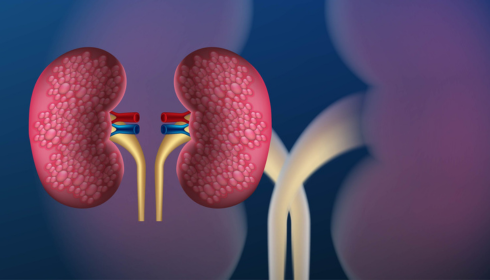
Kidneys play a crucial role in filtering waste, balancing fluids, and maintaining overall body health. When something goes wrong—whether it’s chronic kidney disease, kidney stones, or hypertension-related damage—you need specialized care.

A nephrologist is trained specifically to diagnose and manage kidney-related conditions. Unlike general physicians, they dive deeper into complex cases, offering treatments like dialysis planning, transplant evaluation, and long-term disease management.

Bangalore: A Hub for Advanced Kidney Care

Over the years, Bangalore has built a strong reputation for high-quality healthcare. Hospitals here are equipped with modern diagnostic tools, advanced dialysis units, and multidisciplinary teams. This means patients not only get accurate diagnoses but also comprehensive care under one roof.

Another advantage? Many doctors in Bangalore have international exposure or training, which brings a global standard of care to local patients.

How to Choose the Right Specialist

Finding the Best Nephrologist in bangalore isn’t just about picking the most popular name. It’s about finding someone who fits your specific needs. Here are a few things to consider:

1. Experience and Specialization

Not all nephrologists focus on the same areas. Some specialize in dialysis, while others are experts in kidney transplants or pediatric nephrology. Check their years of experience and areas of expertise.

2. Hospital Affiliation

Doctors associated with reputed hospitals often have access to better infrastructure and support systems. This can make a huge difference, especially in complex cases.

3. Patient Reviews and Feedback

Real patient experiences can tell you a lot. Look for reviews that mention communication, clarity, and overall satisfaction—not just medical outcomes.

4. Accessibility and Availability

If you need regular follow-ups, choosing a doctor who is easily accessible can save you a lot of stress in the long run.

Common Conditions Treated by Nephrologists

Kidney specialists in Bangalore treat a wide range of conditions, including:

  • Chronic Kidney Disease (CKD)
  • Acute kidney failure
  • Kidney stones and infections
  • Hypertension-related kidney damage
  • Electrolyte imbalances
  • Dialysis management
  • Pre- and post-kidney transplant care

Understanding your condition beforehand can help you choose a doctor with the right expertise.

Cost of Treatment in Bangalore

One of the practical concerns people have is cost. While Bangalore is known for quality care, it also offers a range of options—from premium hospitals to more affordable yet reliable clinics.

Consultation fees for nephrologists can vary depending on their experience and hospital. Dialysis and long-term treatments may add to the cost, but many hospitals offer packages or insurance support.

Tips for First-Time Consultation

Walking into your first appointment can feel a bit intimidating, but a little preparation goes a long way:

  • Carry all your previous reports and prescriptions
  • Note down your symptoms and concerns
  • Be honest about your lifestyle and medical history
  • Don’t hesitate to ask questions

A good doctor will always take the time to explain things clearly.

Final Thoughts

Finding the right nephrologist is less about luck and more about informed choice. Bangalore gives you plenty of options, but the key is to focus on experience, communication, and comfort.

At the end of the day, your health journey should feel supported, not confusing. Take your time, do a bit of research, and trust your instincts. The right doctor will not only treat your condition but also guide you through every step of the process with clarity and care.

Why the “Big Diamond” Trend is Back at Lily Arkwright for 2026

0

The allure of oversized gemstones is returning with full force in 2026, and Lily Arkwright is leading the charge with a stunning collection that has captured the attention of jewelry enthusiasts worldwide. At the center of this revival is Lily Arkwright’s oval diamond designs, which combine timeless elegance with a modern sense of drama. These pieces embrace the beauty of large diamonds while ensuring wearability, creating a trend that feels both luxurious and contemporary. The renewed interest in big diamonds reflects a broader desire among consumers for jewelry that makes a statement and celebrates personal milestones with confidence.

In recent years, the jewelry market has seen a shift towards minimalist and understated pieces, with many opting for delicate rings and subtle pendants. However, the pendulum is swinging back, and larger gemstones are reclaiming their spotlight. Lily Arkwright’s oval diamond designs exemplify this change by emphasizing the size and brilliance of each stone without compromising on design sophistication. Their careful attention to proportion and setting allows the diamonds to shine brightly while complementing the wearer’s style. This thoughtful approach has made the collection highly desirable for those seeking a balance between boldness and refinement.

The appeal of big diamonds lies not only in their visual impact but also in their ability to convey a sense of luxury and personal significance. Consumers are increasingly drawn to statement pieces that reflect individuality and celebrate life’s milestones in a meaningful way. Lily Arkwright has tapped into this sentiment by designing rings and jewelry that highlight the natural beauty of larger stones. Their oval cuts, in particular, are prized for elongating the finger and offering a unique play of light, which enhances the overall sparkle of the diamond. This makes the pieces ideal for engagements, anniversaries, or simply as luxurious gifts that leave a lasting impression.

Another reason the big diamond trend is experiencing a resurgence is the evolution of jewelry craftsmanship. Advances in setting techniques and materials have allowed designers to create larger, more secure designs that retain elegance without appearing overwhelming. Lily Arkwright has embraced these innovations, crafting settings that showcase the diamond while maintaining structural integrity and comfort. By marrying traditional gem-cutting skills with contemporary design sensibilities, the brand ensures that each piece remains wearable while making a bold statement.

In addition to technical excellence, the aesthetic philosophy behind Lily Arkwright’s collections contributes to the renewed popularity of big diamonds. There is a growing appreciation for pieces that are not only visually striking but also thoughtfully designed to complement a wide range of personal styles. The brand’s emphasis on clean lines, precise settings, and the natural brilliance of the stone itself allows big diamonds to feel versatile and approachable. Wearers no longer have to choose between glamour and practicality; these designs offer both, making them a perfect fit for modern lifestyles.

The social and cultural context also plays a role in bringing oversized diamonds back into fashion. Jewelry trends often reflect wider societal desires for expression, confidence, and individuality. As more people seek to invest in pieces that feel meaningful and luxurious, designers like Lily Arkwright are responding with collections that embody these values. Their focus on oval diamonds not only taps into current style preferences but also nods to the enduring appeal of classic cuts, ensuring that these statement pieces remain timeless rather than fleeting.

In conclusion, the return of the big diamond trend in 2026 is driven by a combination of consumer desire for statement jewelry, technical innovation, and sophisticated design philosophy. Lily Arkwright’s oval diamond designs perfectly capture this resurgence, offering pieces that are bold, elegant, and versatile. As larger gemstones continue to gain popularity, the brand’s collection stands out for its ability to celebrate the natural beauty of each stone while providing modern, wearable luxury. This trend is more than a fleeting fashion; it represents a renewed appreciation for the artistry and significance of fine jewelry.

Top Choice for Renal Health: Best Kidney Transplant Hospital in Bangalore

0

When it comes to saving lives and restoring health, kidney transplants are one of the most critical procedures in modern medicine. In India, Bangalore stands out as a leading city for advanced medical care—particularly in the field of nephrology and organ transplantation. If you or a loved one are looking for the Best kidney transplant hospital in bangalore, this guide will help you understand what makes a hospital the best, what to expect during the transplant process, and which hospitals lead the way.


Why Choose Bangalore for Kidney Transplants?

Bangalore, often referred to as the “Silicon Valley of India,” is also home to some of the country’s top healthcare institutions. The city combines cutting-edge technology, experienced medical professionals, and internationally accredited hospitals to deliver world-class care. Several hospitals in Bangalore are recognized globally for their high success rates in kidney transplants and comprehensive post-operative care.


What Makes a Kidney Transplant Hospital the “Best”?

Here are the key factors that make a kidney transplant hospital stand out:

  1. Expertise of the Medical Team
    A top-tier hospital will have a dedicated team of nephrologists, urologists, transplant surgeons, and anesthetists who are highly experienced in handling complex cases. The more experienced the team, the better the outcomes.
  2. Advanced Infrastructure
    The best hospitals are equipped with modular transplant operating theatres, advanced diagnostic facilities, and intensive care units specifically designed for transplant patients.
  3. High Success Rate
    Transplant success rates are a strong indicator of a hospital’s capability. Look for facilities that consistently report success rates comparable to international benchmarks.
  4. Comprehensive Care
    A great hospital doesn’t just perform surgery—it also provides thorough pre-transplant evaluation, donor matching services, immunosuppressive therapy, and long-term follow-up.
  5. Ethical Practices and Legal Compliance
    The best kidney transplant hospitals in Bangalore adhere strictly to Indian laws governing organ transplants, ensuring all donor procedures are ethical and legal.

Leading Hospitals for Kidney Transplants in Bangalore

While several hospitals meet high standards, here are some of the most reputed names:

  • Manipal Hospital, Old Airport Road
    Offers excellent transplant success rates, has a renowned nephrology department, and provides both live and cadaver donor transplants.
  • Apollo Hospitals, Bannerghatta Road
    This facility is known for its multispecialty approach, advanced diagnostic tools, and an experienced transplant team.
  • Fortis Hospitals, Cunningham Road & Bannerghatta Road
    With state-of-the-art infrastructure and a well-coordinated transplant program, Fortis is a trusted name in organ transplantation.
  • Aster CMI Hospital, Hebbal
    A newer entrant but quickly gaining recognition for its advanced transplant technology and compassionate patient care.
  • Narayana Health (NH), Bommasandra
    Known for affordability and scale, NH has a comprehensive kidney care program and handles a high volume of transplants annually.

Preparing for a Kidney Transplant in Bangalore

If you’re planning to undergo a kidney transplant in Bangalore, you’ll typically go through the following stages:

  • Evaluation and Testing: To determine if you’re a good candidate for transplantation.
  • Finding a Donor: Either a family member (living donor) or waiting for a cadaveric (deceased) donor match.
  • Pre-transplant Counseling: Understanding the risks, benefits, and lifestyle changes needed.
  • The Surgery and Recovery: Usually takes 3-4 hours, followed by a few days in the ICU and several weeks of follow-up.
  • Post-transplant Monitoring: Long-term follow-up includes medication, lifestyle adjustments, and regular check-ups.

Final Thoughts

Choosing the best kidney transplant hospital in Bangalore is a crucial decision that can have life-altering outcomes. Bangalore’s top hospitals offer not just technical expertise, but also holistic care that ensures long-term health and improved quality of life post-transplant.

If you’re seeking the best kidney transplant hospital in Bangalore, you can rest assured knowing the city has multiple world-class options that blend affordability, innovation, and clinical excellence.

Smart Questions to Ask at the Pharmacy Before You Buy Any New Medicine

0

Pharmacists are an important part of your healthcare team, not just shopkeepers. Asking a few smart questions before buying a new medicine can prevent mistakes and surprises.

Start with: “What is this medicine for, and how should I take it?” Clarify dose, timing with respect to food, and how long the course should last. Ask, “What common side effects should I watch for?” so you’re not alarmed by every small change.

If you take other regular medicines or have conditions like kidney disease, heart disease, diabetes or pregnancy, mention them. Ask, “Does this interact with anything I already take?” or “Is this safe for my condition?”

Check storage instructions – room temperature or fridge – and expiry dates. If the label or instructions are in very small print, ask the pharmacist to explain the main points simply.

Taking two extra minutes at the counter turns medicine use from guesswork into informed care, and that’s always worth it.

The Difference Between a Clinic, a Hospital and a Diagnostic Centre for Patients

0

Healthcare facilities can be confusing if you’re not sure where to go for what. Understanding the basic differences saves time and stress.

Clinics are usually smaller setups, often run by individual doctors or small groups. They handle consultations, routine check-ups, mild illnesses and some basic procedures. They’re good for first-level care and follow-ups.

Hospitals are larger and offer a wide range of services: emergency care, surgeries, inpatient stays, intensive care, multiple specialists and in-house testing. You go to a hospital for serious issues, operations, or when you need close monitoring.

Diagnostic centres focus mainly on tests – blood work, X-rays, scans, ECGs and more. They may not provide full consultations but work with doctors who send you there for specific investigations.

Sometimes these roles overlap – big hospitals have clinics and diagnostic departments inside. If you’re unsure, calling ahead or checking websites for services offered can guide you to the right place.

How to Organise Specialist Referrals So Information Doesn’t Get Lost

0

When your primary doctor refers you to a specialist, it’s easy for details to get scattered. Keeping things organised ensures you don’t repeat tests unnecessarily or give incomplete stories.

Ask for a referral letter or summary that clearly states your main problem, important past history and key test results. Keep copies of this letter and any related reports in a dedicated folder – physical or digital.

Before seeing the specialist, review your own understanding of the situation. Note your questions and concerns. Carry your medicine list and ID. If you’ve done similar tests at other centres, bring those reports too; they can prevent duplication.

After the visit, add the specialist’s advice and prescriptions to your file. At your next primary doctor appointment, share what was said so everyone stays aligned.

Think of yourself as the “project manager” of your own health. When all players have the same information, care becomes smoother and safer.

Getting the Most Out of Online/Video Doctor Consultations

0

Online consultations are convenient, especially for follow-ups, mild illnesses or when travel is difficult. To get the most value from them, a little preparation helps.

Before the call, write down your main concerns and symptoms with timings – when they started, how they changed, what makes them better or worse. Keep your current medicines nearby, including doses, so you can share them accurately.

Choose a quiet, well-lit place with a stable internet connection. If you need to show a rash or swelling, make sure your camera can focus clearly. Wear clothing that makes this easy if relevant.

During the consultation, speak clearly and honestly. If you don’t understand something, ask the doctor to repeat or explain in simpler language. Take notes about medicine names, doses and warning signs to watch for.

Online care has limits; some issues require in-person examination or tests. A good doctor will tell you when it’s time to visit physically rather than extending everything online.

When It Makes Sense to Ask for a Second Medical Opinion

0

Asking for a second opinion doesn’t mean you distrust your doctor; it means you’re taking an active role in your health decisions. It can be especially helpful in certain situations.

If you’re facing major surgery, long-term medication with significant side effects, or a diagnosis that feels unclear or very serious, another qualified perspective can bring clarity. A second doctor might confirm the plan, suggest alternatives, or explain risks in a way that clicks better.

You may also seek another opinion if you feel your concerns weren’t heard, your questions were brushed aside, or something simply doesn’t sit right in your gut. Wanting reassurance is understandable.

When you go for a second opinion, carry all relevant reports, scans and a summary of previous treatment. Being open about the first doctor’s plan avoids confusion.

Most good doctors understand and respect the desire for confirmation. Ultimately, you live with the outcome, so feeling confident in the plan matters.

Caring for Home Medical Devices Like Glucometers and BP Monitors

0

Home devices like glucometers and blood pressure monitors are valuable tools for managing health conditions, but they need proper care to stay accurate.

Keep devices clean and stored in a dry, room-temperature place, away from direct sunlight or extreme heat. For glucometers, close the strip container immediately after taking out a strip; moisture and air can damage them. Check expiry dates regularly.

For blood pressure monitors, ensure the cuff is in good condition and the correct size. Frayed cuffs or twisted tubes can affect readings. Occasionally compare home readings with those from a clinic machine to see if they’re in the same range.

Follow the manufacturer’s instructions for battery changes and calibration, if required. Don’t drop devices or leave them in cars where temperatures fluctuate.

Remember that these tools support, not replace, professional care. Take them to appointments and share logs with your doctor so together you can understand trends and adjust treatment safely.

Taking Iron Supplements: Simple Tips to Improve Absorption and Reduce Side Effects

0

Iron supplements are often prescribed for anaemia or low iron stores, especially in women, children and some chronic conditions. They can be very effective but sometimes cause side effects like nausea, constipation or dark stools.

To improve absorption, iron is often best taken on an empty stomach or with a source of vitamin C (like orange juice or a fruit), unless your doctor advises otherwise. However, if stomach upset is strong, taking it with a small amount of food may help – just avoid tea, coffee or milk at the same time, as they can reduce absorption.

Splitting the dose or taking it on alternate days is sometimes recommended in newer guidance to improve tolerance and absorption, but this should be done according to your doctor’s instructions, not randomly.

If constipation occurs, increasing fluids, fibre and gentle activity can ease discomfort. Stools turning darker is a common, usually harmless effect of iron but should still be discussed during follow-up.

Most importantly, don’t stop supplements early just because you feel better. Anaemia can return if iron stores haven’t fully recovered. Regular blood tests and medical advice help decide when it’s safe to reduce or stop.