
Home Blog Page 5

Morning Bad Breath: When It’s Normal and When Gums Need a Check-Up

0

Almost everyone wakes up with less-than-fresh breath. During sleep, saliva flow drops, your mouth dries a bit, and bacteria build up. This “morning breath” usually improves after brushing, rinsing and a glass of water. On its own, it’s considered normal.

It becomes more concerning when bad breath lingers well into the day, returns quickly after brushing, or is repeatedly mentioned by close family members. Persistent bad breath is often linked to gum disease, plaque buildup on the tongue, dry mouth or untreated cavities.

If your gums bleed easily when brushing or flossing, look swollen, or have a dull red colour, that’s a sign they need attention. Food trapped between teeth, especially in tight or crooked areas, can also cause strong odours.

Good daily care helps: brushing twice a day, cleaning between teeth and gently brushing or scraping the tongue’s surface. Drinking enough water and cutting back on smoking, very strong-smelling foods, and constant snacking also make a difference.

If bad breath continues despite good habits, see your dentist. Sometimes, throat, sinus or stomach issues play a role and need medical input too.
Wearing Retainers After Braces: How Long Is “Long Enough” for Stable Teeth?

0

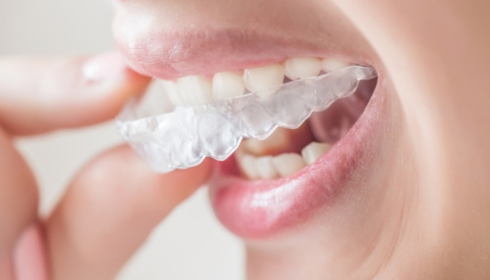
When braces come off, it’s exciting to see straight teeth at last. But that moment isn’t the end of the story. Teeth have a natural tendency to drift back towards their old positions, especially in the first few years. That’s where retainers come in.

Right after braces, dentists usually advise full-time or near full-time retainer wear for a period – often many months. This gives the bone and gums time to stabilise around the new positions. Over time, the schedule often shifts to night-time wear only.

So how long is “long enough”? In reality, teeth can keep changing slightly throughout life due to ageing, habits, and jaw changes. That’s why many orthodontists now say, “Retainers are for as long as you want your teeth to stay straight.” It doesn’t mean 24/7 forever, but it often means some form of night-time wear for years.

If you stop wearing retainers and notice tightness or difficulty putting them in, it’s a sign your teeth are already moving. Don’t force them; contact your dentist or orthodontist for advice.

Treat your retainer like a long-term insurance policy for your smile. A few nights a week of wear is much easier than paying for braces all over again.

Floss vs Interdental Brushes: Which Is Easier to Use in Real Life?

0

Cleaning between teeth matters as much as brushing, but the “how” can feel confusing. Traditional floss has been around for decades, while interdental brushes are now widely recommended, especially for people with gaps or dental work.

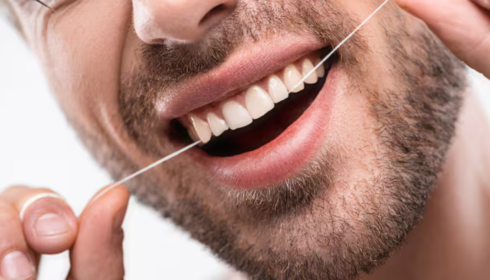
Floss works best when teeth are tight together. You slide the thread gently between the teeth, form a “C” shape against each side of the tooth, and move it up and down. For many people, the problem is not the theory, it’s the technique and patience. Floss can feel fiddly, especially in the back of the mouth or if your fingers are big.

Interdental brushes are tiny bottle-brush style tools that slip into the spaces between teeth. They’re easier to grip and can be simpler for people with bridges, implants, braces or slightly wider gaps. They also give a satisfying feeling of “scrubbing” where the normal brush can’t reach.

In real life, the best choice is the one you’ll actually use daily. Some people combine both: floss for tight front teeth, brushes for wider back spaces. Your dentist or hygienist can show you the correct sizes and technique in just a few minutes.

The goal isn’t to win the floss vs brush debate. The goal is clean, healthy spaces between teeth, using a method that fits your mouth and your routine.