Home Blog Page 3

Probiotics and Gut Health: When They Help and When They’re Just a Trend

0

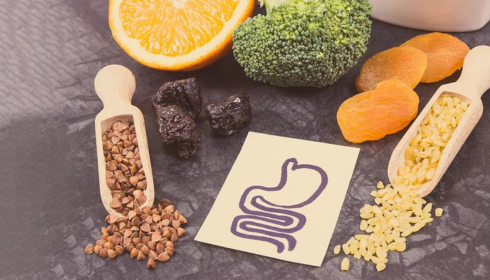
Probiotics – “good bacteria” found in capsules, fermented foods and drinks – are often marketed as a cure-all for digestion and immunity. While gut bacteria are important for health, probiotics aren’t magic for everyone in every situation.

They may be genuinely useful after certain antibiotic courses, when the natural balance of gut microbes has been disturbed. Some people with specific conditions, like irritable bowel or certain diarrhoeal illnesses, may benefit from particular probiotic strains, as advised by a doctor.

However, grabbing any probiotic product from a shelf without understanding what it contains or whether you need it can simply be an expensive habit. Not all strains do the same thing, and many products are not strongly regulated.

For many generally healthy people, a varied diet rich in fibre – fruits, vegetables, whole grains, pulses – and naturally fermented foods like yoghurt or some traditional preparations supports gut health effectively.

If you want to try probiotics, think of them as one tool, not a replacement for a balanced lifestyle. And if you have a serious illness or very low immunity, always ask your doctor before starting them.

Using Nasal Decongestant Sprays Safely So You Don’t Get “Hooked” on Them

0

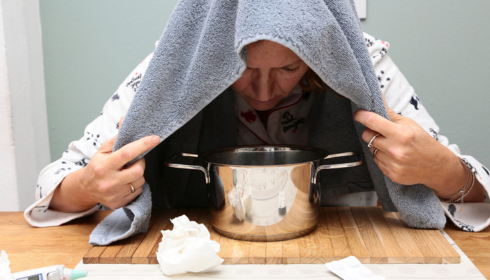
Nasal decongestant sprays can feel magical when your nose is completely blocked. A few sprays and suddenly you can breathe again. The problem is that many of these sprays are meant for short-term use only.

Using them for more than a few days in a row can cause rebound congestion. When the effect wears off, blood vessels in the nose swell even more, making you feel more blocked than before. This leads some people to spray again and again, feeling almost “dependent” on the bottle.

To avoid this, reserve strong decongestant sprays for short, intense periods – like the worst days of a cold – and follow the recommended duration on the label. Saline sprays or rinses can be used more freely and help keep nasal passages moist and clear without the rebound effect.

If you find you’ve been using a decongestant daily for weeks, talk to a doctor about a plan to slowly reduce use and address the underlying cause of congestion, such as allergies or structural issues.

Your nose should not need a “fix” forever. Used wisely, sprays are brief helpers, not permanent crutches.

Fasting Before Blood Tests: What You Can Drink or Eat and What You Shouldn’t

0

Some blood tests require fasting to give accurate results, especially those measuring sugar and certain fats. Typically, this means no food or calorie-containing drinks for 8–12 hours before the test.

In most cases, you are allowed to drink small amounts of plain water. Water keeps veins easier to find and prevents dehydration. But juices, tea or coffee with sugar or milk, soft drinks and even chewing gum with calories can affect results and are best avoided.

If you take regular medicines, ask your doctor whether to take them as usual or adjust for the test day. Some can be taken with a small sip of water; others may need special instructions.

Time your fast to be as comfortable as possible. For example, eating an early dinner and scheduling a morning test lets you sleep through most of the fasting period.

If you accidentally break the fast, tell the lab or doctor honestly. It’s better to repeat the test correctly than to make decisions based on distorted numbers.

How Strong Emotions Show Up Physically in the Body (Headaches, Tight Chest, Knots)

0

Emotions don’t live only in the mind; they show up in the body too. Stress, anger, sadness and anxiety can create real physical sensations – not “imagined,” but genuinely felt responses.

Headaches are a common example. Tight muscles in the neck, jaw and scalp from clenching or frowning can lead to tension headaches. Anxiety might bring a pounding heart, butterflies in the stomach, or a tight feeling in the chest.

People often describe “knots” in shoulders or back when they’re carrying worry or over-responsibility. Shallow breathing during stress reduces oxygen exchange and feeds feelings of panic, creating a loop.

Understanding this connection doesn’t mean every symptom is emotional; physical illness is real. But noticing when symptoms rise and fall with stress levels allows you to add tools like deep breathing, stretching, journaling, walking or talking with someone you trust.

If chest pain, severe headaches or other symptoms are sudden, extreme or new, always seek medical evaluation. Once serious causes are ruled out, mind–body strategies can play a valuable role alongside other treatments.

Managing Seasonal Allergies at Home Before They Take Over Your Whole Day

0

Seasonal allergies can turn lovely weather into a sneezing, itchy-eyed battle. Pollen, dust and other triggers cause the immune system to overreact, leading to blocked nose, runny eyes and general fatigue.

Simple home steps can help. Keep windows closed on high-pollen days, especially in early morning and evening when counts can rise. Use fans or filtered air instead of letting outdoor air flow freely into bedroom and living spaces.

Changing clothes and washing your face or showering after coming in from outside removes pollen from skin and hair. Regular cleaning, vacuuming with good filters, and washing bedding in hot water reduce indoor dust and allergens.

Over-the-counter allergy medicines may give relief for many people, but always follow labels and talk to a doctor if you have other conditions or take multiple medicines. Saline nasal sprays or rinses can gently clear irritants from nasal passages.

If symptoms are severe, long-lasting or affecting sleep and daily function, an allergy specialist can offer stronger options, including tailored treatment plans.

Shift Work and Health: Small Habits That Help When You Don’t Have a 9–5 Job

0

Shift work – nights, rotating shifts, very early mornings – disrupts the body’s natural rhythms. It can affect sleep, digestion, mood and long-term health. While you may not be able to change your schedule, small habits can reduce the strain.

Protect your sleep as much as possible. Create a dark, quiet room with curtains or eye masks and reduce noise with earplugs or white noise. Keep a regular “sleep window” after shifts, even if it’s daytime, so your body expects rest.

Plan meals thoughtfully. Heavy, greasy food in the middle of the night can upset digestion; lighter but balanced meals often work better. Stay hydrated, but avoid too much caffeine towards the end of your shift, so sleep comes easier.

Try to get some daylight exposure each day, even if it’s after waking up from a daytime sleep. This helps mood and anchors your body clock in some way. Gentle exercise on off days supports energy and stress management.

Most importantly, be kind to yourself. Shift work is genuinely demanding. Prioritising rest, nutrition and movement is not selfish; it’s essential self-care.

Eating Slowly: How Chewing Properly Changes Digestion and Fullness Signals

0

Modern life encourages fast eating – quick lunches at desks, rushed breakfasts, distracted dinners with screens. When you eat quickly, your body barely gets time to register what’s happening, which can affect digestion and hunger control.

Chewing properly breaks food into smaller pieces, giving stomach and intestines an easier job. Saliva starts digestion in the mouth, especially for carbohydrates. If you swallow large chunks quickly, your digestive system has to work harder, and you may feel more bloated or uncomfortable.

Fullness signals also take time. It can take 15–20 minutes from the start of a meal for your brain to fully register that you’ve eaten enough. Fast eaters often overshoot this window and realise they’re “too full” only after the plate is empty.

Practical tips include putting cutlery down between bites, taking sips of water, and consciously noticing flavours and textures. Try to make at least one meal a day a “no screens” meal.

Eating slowly is not about being strict; it’s about respecting the body’s timing. Over days and weeks, many people find they feel better and may even reach for slightly smaller portions naturally.

Bowel Regularity: Understanding What a “Normal” Toilet Routine Really Means

0

People often whisper about bowel habits, but nearly everyone wonders if their pattern is “normal.” In reality, normal has a wide range. Some people go once a day, some every other day, and others two or three times daily. The key is comfort and consistency.

Healthy bowel movements are usually soft, well formed, and easy to pass without straining. You shouldn’t feel like you constantly need to go, nor should you be sitting for long, painful minutes. Long-term constipation or frequent, urgent diarrhoea are worth checking.

Diet plays a big role. Fibre from fruits, vegetables, pulses and whole grains helps bulk and soften stool. Adequate water keeps things moving. Sudden changes in routine, travel, stress or new medicines can temporarily disrupt habits.

Listen to your body’s natural signals. Ignoring the urge to go, especially regularly, can make constipation worse. Having a relaxed, unhurried bathroom environment helps too.

If you notice blood in stool, unexplained weight loss, severe pain or big changes lasting more than a few weeks, see a doctor. Most bowel issues are manageable, but they deserve attention, not embarrassment.

Early Warning Signs That You Might Be Pushing Workouts Too Hard

0

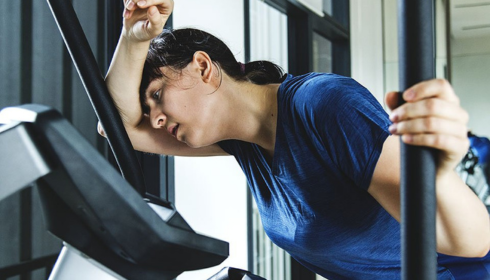
There’s a fine line between challenging yourself and overdoing it. Pushing too hard for too long can lead to injury, burnout and loss of motivation. Early warning signs help you adjust before your body forces a break.

Watch your energy and mood. If you feel unusually exhausted, irritable or down for days, or if you start dreading workouts you once enjoyed, you might need more rest. Persistent soreness that doesn’t ease, especially in joints, is another clue.

Sleep changes matter too. Struggling to fall asleep, waking often, or feeling wired at night despite being tired can be a sign of too much stress on the body. Performance dropping even though you’re training more is another red flag.

Short-term pushes are sometimes okay – like a challenging week or two – but they must be balanced with easier phases. You don’t lose progress by resting; you consolidate it.

If you’re unsure, reduce intensity or volume for a week, focus on nutrition and sleep, and see how you feel. Long-term fitness comes from smart training, not constant punishment.

What to Do on Active Recovery Days Instead of Total Couch Rest

0

Rest days are important, but “rest” doesn’t always mean doing absolutely nothing. Active recovery – light movement that doesn’t strain the body – can reduce stiffness, support circulation and make you feel better between tough workouts.

Good active recovery options include easy walking, gentle cycling, relaxed swimming, stretching, yoga or mobility drills. The intensity should be low enough that you can breathe comfortably and hold conversations.

The idea is to move blood through tired muscles, not to chase new personal bests. If you feel more exhausted after an activity, it was probably too hard for a recovery day. Listen to your body’s signals and scale back when needed.

Active recovery is also a good time to work on posture, breathing or specific tight areas that get ignored on busy training days. Even 15–20 minutes can make a difference.

Of course, if you’re very sore, ill or injured, complete rest may be more appropriate. But on most days, a bit of gentle movement beats sinking into the sofa for hours.