Home Blog Page 4

Setting Realistic Fitness Goals When You’re Starting from Zero

0

Starting from zero can feel intimidating. You might scroll through fitness content and feel like everyone else is miles ahead. The good news is that you don’t have to match anyone. You just need a realistic, personal starting point.

Begin by choosing one or two simple, measurable goals. For example: “Walk 20 minutes three times a week,” or “Do a 10-minute home routine every weekday.” Avoid vague aims like “get fit” without a plan. Specific, small goals are easier to track and achieve.

Expect slow progress at first. You might feel breathless, awkward or sore. That’s normal when your body is adjusting. What matters is that you show up as promised, not how perfect you look doing it.

Build habits before intensity. Once your chosen routine feels automatic, you can increase duration, add variety or gently raise difficulty. If you push too hard too fast, you risk injury or burnout.

Celebrate small wins – fewer rest breaks, better mood, a bit more energy. These are real signs that your body is changing. Fitness is a long game; starting gently and sticking with it beats short bursts of unsustainable effort.


Weekend Family Activities That Quietly Count as Real Exercise

0

Exercise doesn’t always mean gym clothes and equipment. Many weekend family activities actually count as solid movement, even if you don’t label them “workouts.”

Playing outdoor games with kids – badminton, cricket catches, frisbee, football in the park – gets your heart rate up and works multiple muscle groups. Long walks at the zoo, in markets, or on nature trails add steps and light cardio without feeling like exercise.

Even household projects like deep cleaning, gardening, washing the car or rearranging furniture can be surprisingly active. The key is to do them with energy: bending, lifting, carrying and stretching all contribute to your daily movement.

When planning weekends, think: “What can we do that’s fun and keeps us off the sofa for a while?” This approach lets you bond with family, reduce screen time and tick the “activity” box at the same time.

Counting these as real exercise changes your mindset. You stop seeing fitness as something separate from life and start seeing it as something that can be woven into your normal weekend plans.

Climbing Stairs as a Workout: Turning Daily Steps into Cardio Training

0

Stairs are one of the most underrated free workout tools. You don’t need a gym membership to get your heart pumping and legs working; you just need a staircase and a bit of intention.

To turn casual stair use into a workout, start by setting small targets. For example, climb one or two flights at a steady pace several times a day instead of always taking the lift. As your fitness improves, you can increase speed or number of flights.

Posture matters: keep your back upright, look ahead, and engage your core. Use the handrail for balance if needed, but try not to pull yourself up entirely with your arms. Focus on controlled steps, especially when coming down, to protect your knees.

You can also do short “stair intervals” – climb briskly for one or two minutes, rest on a landing, then repeat. Even 10–15 minutes broken into small chunks adds up.

If you have joint problems or heart issues, always check with a doctor before starting intense stair routines. For many otherwise healthy people, though, stairs are a simple way to squeeze cardio into everyday life.

Choosing Fragrance-Free Products When Perfumed Creams Always Irritate Your Skin

0

If your skin often stings, reddens or develops rashes after lotions and creams, fragrance may be the hidden culprit. Perfume is a common irritant and allergen, especially in people with sensitive or eczema-prone skin.

Switching to “fragrance-free” or “unscented” products can be confusing, though. “Unscented” sometimes means masking fragrances are used to cover the smell of ingredients, while “fragrance-free” usually means no added perfume. Reading ingredient lists and choosing brands that clearly label products for sensitive skin can help.

It might feel strange at first to let go of strongly perfumed creams and body washes, especially if you associate them with feeling “clean” or “fancy.” But your skin may calm noticeably within a few weeks of using gentler options.

You don’t have to give up all nice smells in life. You can still enjoy fragrance in laundry, candles or room sprays, keeping it away from direct skin. For face and body, think function first: products that quietly do their job without flair often keep skin happiest.

If reactions continue despite avoiding fragrance, consider seeing a dermatologist for patch testing and further guidance.

Hand Care in the Sanitiser Era: Preventing Dry, Cracked Fingers and Knuckles

0

Frequent handwashing and sanitiser use are important for hygiene, but they can leave hands dry, tight and even cracked, especially around knuckles and fingertips. The skin barrier on your hands needs support to keep up.

First, use lukewarm, not hot, water when washing. Hot water strips oils faster. Choose a mild hand soap instead of very harsh, heavily perfumed ones. Pat hands dry rather than rubbing vigorously.

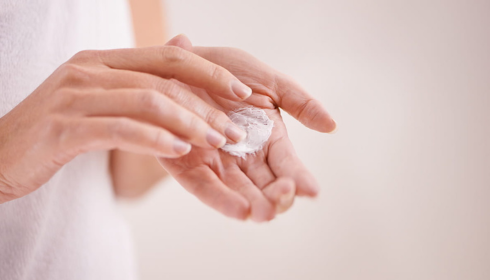
Apply a simple, fragrance-free hand cream after washing whenever possible. Think of moisturiser as part of the hygiene routine, not an optional extra. At night, you can use a thicker cream or ointment and even wear cotton gloves to lock in moisture if your hands are very damaged.

Alcohol-based sanitisers do dry the skin, but look for formulas with added moisturisers like glycerin. Use the minimum amount needed for coverage and let it air-dry rather than waving hands in the air, which can increase evaporation.

If cracks are deep, painful or at risk of infection, or if a red, itchy rash develops, medical advice is wise. Often, small adjustments and regular moisturising restore comfort within a few weeks.

Reapplying Sunscreen Over Makeup Without Making Skin Look Patchy

0

We know sunscreen should be reapplied through the day, especially if you’re outdoors – but how do you do that over a full face of makeup without creating a messy layer?

One option is to start the day with a good amount of regular sunscreen under your makeup, letting it set before applying foundation. For reapplication, products like sunscreen powders, sticks or sprays can be easier to layer. While they may not be perfect, they’re often better than doing nothing.

Sunscreen powder can be gently pressed onto the face with a puff or brush, focusing on high-exposure areas like forehead, nose and cheeks. Sticks can be glided on and patted with clean fingers or a sponge to blend. Sprays should be used generously and from the recommended distance, with eyes closed and lips pressed together.

If you don’t wear heavy foundation, you can also lightly pat a small amount of regular sunscreen on top, but this takes practice to avoid streaks.

No method is flawless, but some protection is better than letting your morning layer fade completely. Plan realistic reapplication based on how long you’ll be in direct sun, and consider hats and shade as part of the solution.

Body Acne on Back and Shoulders: How Sweat and Clothing Choices Matter

0

Back and shoulder acne can be frustrating, especially if your face is relatively clear. Sweat, friction and trapped oil all play a role here – and clothing choices quietly influence all three.

Tight, non-breathable fabrics trap heat and moisture against the skin. Sports bras, backpacks, and synthetic T-shirts can create friction and block pores, especially during workouts or hot weather. Changing out of sweaty clothes as soon as possible helps a lot.

Showering after exercise with a gentle cleanser, and occasionally using a body wash containing mild anti-acne ingredients (if suitable for your skin), can keep pores clearer. Focus on rinsing away shampoo and conditioner thoroughly too; leftover residues on the back can irritate some people.

Choose looser, breathable fabrics like cotton for everyday wear, and wash clothes regularly to remove sweat and bacteria. Avoid over-scrubbing the skin or using very harsh scrubs – this often makes inflammation worse.

If body acne is severe, painful, or leaving marks, a dermatologist can suggest stronger treatments. But for mild to moderate breakouts, changing fabric, fit and hygiene habits often brings steady improvement.

Building a Simple Skincare Routine for Very Sensitive, Reactive Skin

0

Sensitive skin reacts quickly – redness, burning, itching or tiny bumps after products that others tolerate easily. The goal for this skin type is not to chase every new trend, but to create a calm, predictable routine that respects the skin barrier.

Start by stripping things back. Use a very gentle, fragrance-free cleanser once or twice a day, depending on how oily or dry you are. Avoid harsh foaming washes and physical scrubs. Pat the skin dry instead of rubbing.

Next, choose a basic moisturiser made for sensitive skin – minimal fragrance, no strong acids or intense actives. Look for soothing ingredients like ceramides, glycerin, or oatmeal. Use it consistently morning and night.

Sun protection is essential, but chemical sunscreens can irritate some sensitive types. Mineral sunscreens with zinc oxide or titanium dioxide are often better tolerated. Test any new product on a small area first for a few days.

Introduce only one new product at a time and give your skin at least two weeks to respond before adding another. If something stings, burns or causes a flare, stop and return to your safe basics.

Simple, steady care usually calms sensitive skin more than complicated routines and constant experiments.

Dry Mouth from Medicines: Simple Ways to Protect Teeth and Gums Daily

0

Many common medicines list “dry mouth” as a side effect – antidepressants, blood pressure tablets, allergy pills and more. Saliva isn’t just for comfort; it protects teeth by washing away food, neutralising acids and supplying minerals to enamel. When saliva drops, cavities and gum problems can increase.

If you often feel thirsty, have trouble swallowing dry foods, or your tongue sticks to your palate, you might have dry mouth. Lips may crack more easily and dentures can feel uncomfortable.

Simple steps can help. Sip water regularly through the day instead of gulping large amounts at once. Sugar-free chewing gum or lozenges can stimulate saliva flow. Avoid constant sugary or acidic drinks, which cause more damage in a dry environment.

Alcohol-based mouthwashes often make dryness worse; gentler, alcohol-free options are better. At night, a humidifier can make bedroom air less drying.

Most importantly, tell your dentist about all medicines you take. They can suggest high-fluoride toothpaste, special gels, or more frequent cleanings to protect your teeth and gums. Never stop prescribed medicines on your own, but do speak with your doctor if dryness is severe.

Early Signs That Wisdom Teeth Are Causing Trouble in the Back of the Mouth

0

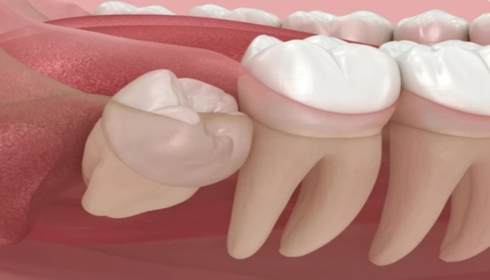
Wisdom teeth are the last molars to appear, usually in late teens or early twenties. For some people, they slide in quietly. For others, they only partially emerge or stay trapped in the jaw, creating problems over time.

Early signs of trouble include soreness or pressure at the back of the mouth, difficulty opening fully, or pain when chewing near that area. You may see a little flap of gum tissue over part of the tooth, which can trap food and become inflamed – a condition called pericoronitis.

Bad taste, swelling, or repeated infections around a partially erupted wisdom tooth are warning flags. Sometimes, neighbouring teeth start feeling tight or uncomfortable as the wisdom tooth pushes against them.

An X-ray is the best way to see angle and position. Even if you’re not in severe pain, your dentist may suggest monitoring, cleaning adjustments, or removal if there’s a high chance of future problems.

Ignoring wisdom tooth issues can lead to bigger infections, cysts, damage to nearby teeth and crowded alignment. Catching things early gives more options and usually gentler treatment.